
The pursuit of sustainable energy has become a global priority as we seek to reduce our dependence on fossil fuels and mitigate the effects of climate change.Digesters have become an invaluable tool for harnessing renewable energy while simultaneously addressing environmental challenges.These digesters offer a sustainable solution to organic waste management and offer numerous benefits.
Digesters are systems that facilitate the process of anaerobic digestion,in which microorganisms break down organic matter in the absence of oxygen.The result is biogas,a mixture mainly composed of methane(CH4)and carbon dioxide(CO2).
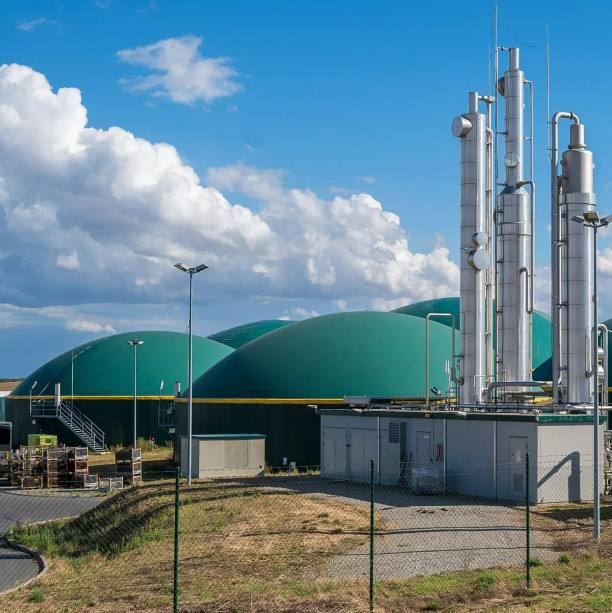
Function and Benefits
1.Organic waste management:Biogas digesters provide an effective solution for managing organic waste:agricultural residues,food waste,animal manure and sewage sludge.By diverting organic waste from landfill or improper disposal,digesters prevent the release of harmful greenhouse gases such as methane.This helps reduce the overall waste volume.
2.Renewable energy generation:The main benefit of a digester is its ability to produce renewable energy.Biogas produced through anaerobic digestion can be used for a variety of purposes,including power generation,heating and vehicle fuel.By using biogas as a renewable energy source,we reduce our dependence on non-renewable fossil fuels and contribute to a more sustainable energy mix.
3.Climate Change Mitigation:Digesters play a vital role in climate change mitigation.Methane,a potent greenhouse gas,is captured during anaerobic digestion,preventing its release into the atmosphere.Since the global warming potential of methane is significantly higher than that of carbon dioxide,proper management of organic waste through digesters can help reduce greenhouse gas emissions and combat climate change.
4.Nutrient recovery and soil health:Digesters produce a nutrient-rich residue called biogas residue.This organic material acts as a natural fertilizer,providing essential nutrients to crops and improving soil health.By recycling nutrients from organic waste,digestate reduces the need for synthetic fertilizers,which can have negative environmental impacts such as water pollution and soil degradation.Using biogas residues as fertilizer promotes sustainable agricultural practices and supports soil conservation.
5.Energy independence and rural development:Digesters offer opportunities for energy independence and rural development.Small digesters can be installed on farms or rural communities,enabling them to generate their own renewable energy.This reduces reliance on centralized energy sources and can provide economic benefits through lower energy costs and potential revenue from selling excess energy to the grid.Digesters also contribute to rural development by creating jobs and stimulating local economic growth.
6.Waste Reduction and Odor Control:By utilizing biogas digesters,organic waste is effectively treated and converted into biogas and biogas residue.This reduces the amount of waste sent to landfill,thereby minimizing environmental pollution and associated risks.Digesters also help control the unpleasant odors often associated with organic waste,especially in agricultural operations,thereby improving the overall quality of the surrounding environment.
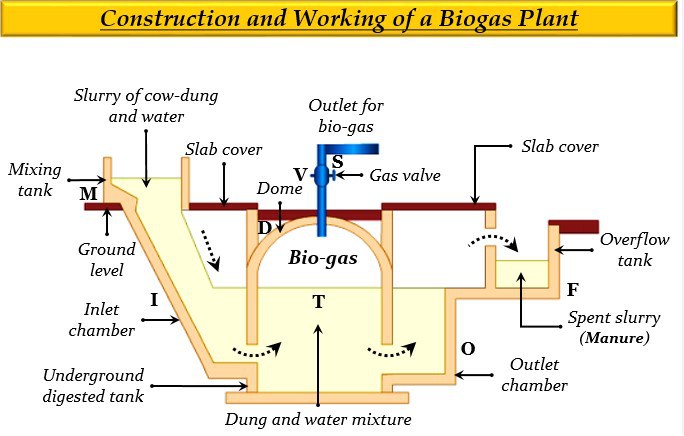
Digesters play a vital role in harnessing sustainable energy and promoting environmental stewardship.Through anaerobic digestion,these systems can effectively manage organic waste while generating renewable biogas.By adopting digesters,we can reduce greenhouse gas emissions,increase resource efficiency,and minimize the environmental impact of organic waste for a more sustainable future.
 Manufacturer of biogas analyzer, landfill gas analyzer and extraction monitor, anaerobic digester gas analyzer