
As the world grapples with the challenges of climate change and the demands of a sustainable future,renewable energy has taken center stage.Biogas is key in the quest for clean and sustainable energy.Biogas is produced through the decomposition of organic waste and has many advantages that make it an attractive option for energy production.We’ll explore the benefits of biogas and how it could revolutionize the renewable energy landscape.

Renewable Energy:Biogas is a renewable energy source derived from organic matter such as agricultural residues,food waste and sewage.As long as there is organic waste,biogas can be continuously produced through the process of anaerobic digestion.Unlike finite and non-renewable fossil fuels,biogas provides long-term sustainable and abundant energy.
Clean and Low Carbon Emissions:One of the most significant advantages of biogas is its minimal impact on the environment.Carbon dioxide(CO2)is released when biogas is burned,but overall emissions are considered carbon neutral.This is because the organic matter used to produce biogas naturally decomposes and releases carbon dioxide.In addition,biogas production helps reduce methane emissions,as the anaerobic digestion process captures methane,preventing it from being released into the atmosphere.
Waste Management Solutions:Biogas has the dual benefit of simultaneously providing renewable energy and solving waste management challenges.Organic waste that would otherwise go to landfill and emit methane as it decomposes can be used as a feedstock for biogas production.By diverting organic waste to biogas plants,we can reduce the amount of waste sent to landfill and reduce methane emissions.
Versatility in energy applications:Biogas can be used in a variety of energy applications.It can be burned in a generator to produce electricity and heat.It can also be upgraded to biomethane,a purified form of biogas with a higher methane content,which can be injected into the natural gas grid or used as a transport fuel,providing a clean and renewable alternative to fossil fuels.
Agriculture and Rural Development:Biogas production brings additional benefits to the agricultural sector and rural communities.Farmers can use agricultural residues,crop waste and animal manure as raw materials for biogas production.Farmers have an additional source of income that also helps manage organic waste and improves soil health.Biogas plants can contribute to rural development by creating jobs,boosting local economic growth and promoting sustainable agricultural practices.
The benefits of biogas are not limited to renewable energy generation.From waste management to sustainable agriculture,biogas offers a holistic solution to a variety of environmental and socio-economic challenges.As governments,businesses and communities place greater emphasis on sustainability,biogas is becoming an integral part of the transition to a clean and renewable energy future.
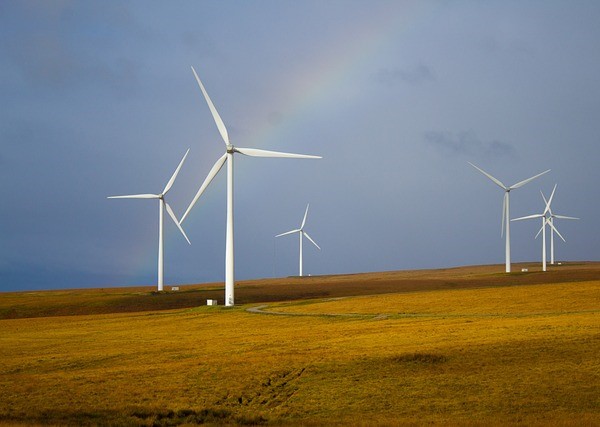
In short,biogas is a renewable and clean energy.By harnessing the power of biogas,we can reduce greenhouse gas emissions,promote sustainable waste management,support rural development,and drive the transition to more sustainable and resilient energy systems.As we explore the potential of biogas,it is clear that it has the ability to transform our energy landscape and play a vital role in achieving a cleaner,greener future.
 Manufacturer of biogas analyzer, landfill gas analyzer and extraction monitor, anaerobic digester gas analyzer