
Biogas has emerged as a promising renewable energy source with significant environmental benefits. It is produced through the anaerobic digestion of organic materials such as agricultural waste, food scraps, and sewage sludge. Biogas predominantly consists of methane (CH4) and carbon dioxide (CO2), along with traces of impurities like hydrogen sulfide (H2S) and moisture. While biogas offers tremendous potential for sustainable energy production, it also presents certain safety and compliance challenges that need to be addressed. This is where biogas analyzers play a crucial role.
Biogas analyzers are specialized instruments designed to measure and monitor the composition and quality of biogas. They provide real-time data and insights that are essential for ensuring the safe and efficient operation of biogas facilities. Let’s delve deeper into the significant role biogas analyzers play in ensuring safety and compliance.
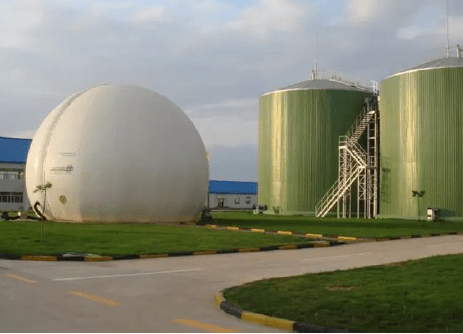
- Monitoring Methane Content: Methane is the primary component of biogas and a potent greenhouse gas. High methane content is desirable for efficient energy generation, but excessive methane concentrations can lead to safety hazards, as methane is highly flammable. Biogas analyzers continuously monitor the methane levels, enabling operators to maintain the optimal range for both energy production and safety.
- Detecting Impurities: Biogas often contains impurities such as hydrogen sulfide, which can be toxic and corrosive. Biogas analyzers are equipped with sensors to detect impurities and provide accurate measurements. By monitoring impurity levels, operators can take appropriate measures to prevent equipment damage, ensure worker safety, and comply with regulatory standards.
- Assessing Oxygen Levels: Biogas analyzers also measure the oxygen (O2) content in biogas. Excessive oxygen can impact the efficiency of anaerobic digestion and reduce energy yield. Additionally, high oxygen levels pose a safety risk by increasing the likelihood of explosions. By monitoring and controlling oxygen levels, operators can optimize biogas production while maintaining a safe operating environment.
- Monitoring Moisture Content: Moisture content in biogas can cause corrosion and damage to equipment. Biogas analyzers provide data on moisture levels, enabling operators to implement appropriate drying and conditioning processes. By maintaining optimal moisture levels, the longevity and reliability of biogas facilities can be ensured, while minimizing the risk of equipment failure.
- Compliance with Regulations: Biogas facilities must adhere to stringent safety and environmental regulations. Biogas analyzers assist in compliance by providing accurate and reliable data that can be used for reporting and monitoring purposes. The data obtained from biogas analyzers demonstrates adherence to regulatory requirements and helps ensure that biogas facilities operate within permissible limits.
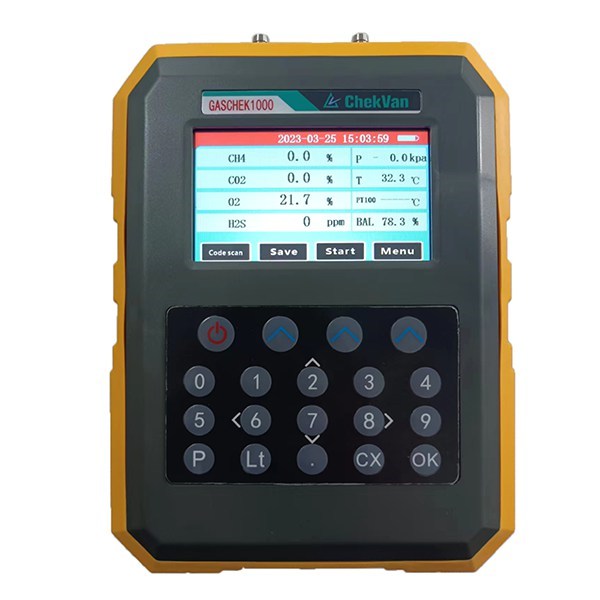
In addition to safety and compliance, Gaschek1000 biogas analyzers also contribute to optimizing energy production and efficiency. The real-time data they provide allows operators to make informed decisions regarding process adjustments, maintenance schedules, and system optimizations. This, in turn, enhances energy generation and reduces operational costs.
In conclusion, biogas analyzers play a vital role in ensuring the safety and compliance of biogas facilities. By monitoring key parameters such as methane content, impurities, oxygen levels, and moisture content, biogas analyzers enable operators to maintain safe operating conditions, prevent equipment damage, and comply with regulatory standards. They provide essential data for optimizing energy production while minimizing environmental impacts. Investing in reliable biogas analyzers is crucial for the long-term success and sustainability of biogas facilities, further solidifying biogas as a key player in the transition towards a greener energy future.
 Manufacturer of biogas analyzer, landfill gas analyzer and extraction monitor, anaerobic digester gas analyzer