
Biogas is a renewable energy source that has gained significant attention in recent years due to its potential to reduce greenhouse gas emissions and contribute to sustainable energy production. Biogas is produced through the anaerobic digestion of organic materials such as animal manure, food waste, and sewage sludge. The resulting gas mixture consists primarily of methane and carbon dioxide, which can be used to generate electricity or heat. However, to optimize the production and use of biogas, it is essential to monitor and analyze its composition, which is where a biogas analyzer becomes a critical tool for sustainable energy production.
A biogas analyzer is a device that measures the composition and properties of biogas, including its methane and carbon dioxide content, as well as other impurities such as hydrogen sulfide, oxygen, and moisture. The analyzer can be used to monitor biogas production in real-time and provide valuable insights into the efficiency and performance of the biogas system. With the increasing adoption of biogas as a renewable energy source, the importance of biogas analyzers in ensuring optimal production and utilization of biogas cannot be overstated.
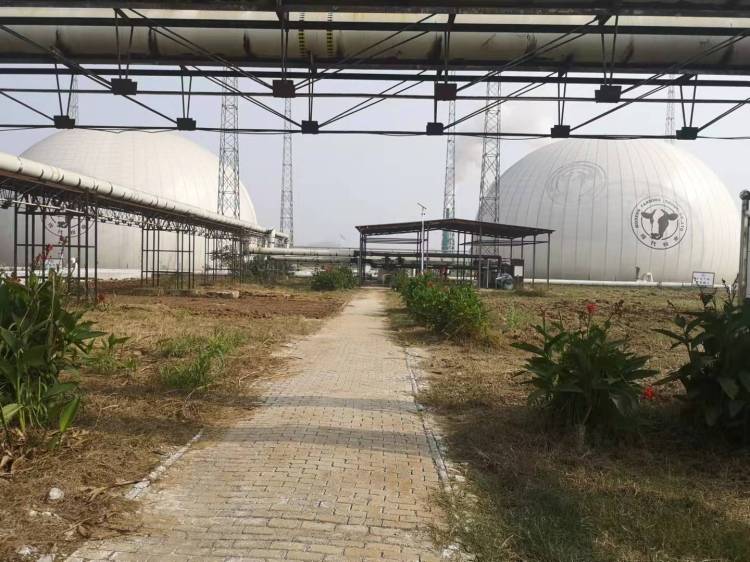
One of the primary benefits of using biogas as a renewable energy source is its ability to reduce greenhouse gas emissions.
Biogas production through anaerobic digestion avoids the release of methane, a potent greenhouse gas, into the atmosphere. Methane is estimated to have a global warming potential 28 times greater than carbon dioxide over a 100-year period. By capturing and utilizing biogas, we can reduce the amount of methane emitted into the atmosphere and mitigate the impact of climate change.
To ensure that biogas production is optimized, it is crucial to monitor the composition of the biogas using a biogas analyzer.
The analyzer can detect any changes in the biogas composition, such as a decrease in methane content, which can indicate a problem with the biogas system. The data obtained from the analyzer can be used to identify and address issues that may be affecting the efficiency and performance of the biogas system. By optimizing biogas production, we can maximize energy generation and reduce greenhouse gas emissions.
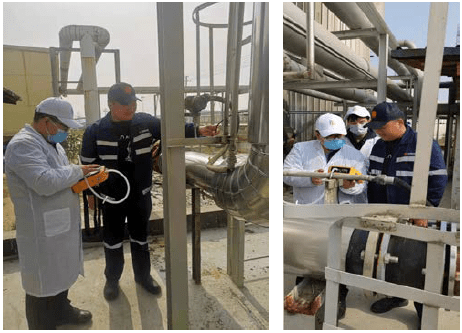
Biogas analyzers are also critical in ensuring the safety of the biogas system.
Biogas contains impurities such as hydrogen sulfide, which can be toxic in high concentrations. The analyzer can detect the presence of hydrogen sulfide and other impurities, allowing operators to take appropriate measures to prevent exposure and ensure the safety of workers and the public. Additionally, the analyzer can detect any leaks in the biogas system, which can pose a significant safety risk. By monitoring biogas composition, we can ensure that the biogas system is operating safely and effectively.
Another benefit of using biogas analyzers is the ability to optimize energy generation.
Biogas can be used to generate electricity and heat, which can be used for various purposes, including powering homes and businesses. However, to maximize energy generation, it is essential to ensure that the biogas composition is optimal. By using a biogas analyzer, operators can monitor the biogas composition and adjust the biogas system accordingly to ensure that energy generation is optimized. This can result in increased energy efficiency and cost savings.
The use of biogas analyzers can also contribute to the development of new and innovative biogas systems.
By analyzing biogas composition, researchers can identify areas for improvement and develop new technologies to optimize biogas production and utilization. For example, biogas analyzers can be used to study the effect of different feedstocks on biogas composition and production. This information can be used to develop new biogas systems that are more efficient and effective.
In conclusion, biogas analyzers are critical tools that play a vital role in sustainable energy production. By monitoring and analyzing biogas composition, we can optimize energy generation, ensure the safety of the biogas system, and contribute to the development of new and innovative biogas systems. As the world continues to prioritize sustainability, the importance of biogas production and its associated tools, such as biogas analyzers, will only continue to grow.
 Manufacturer of biogas analyzer, landfill gas analyzer and extraction monitor, anaerobic digester gas analyzer